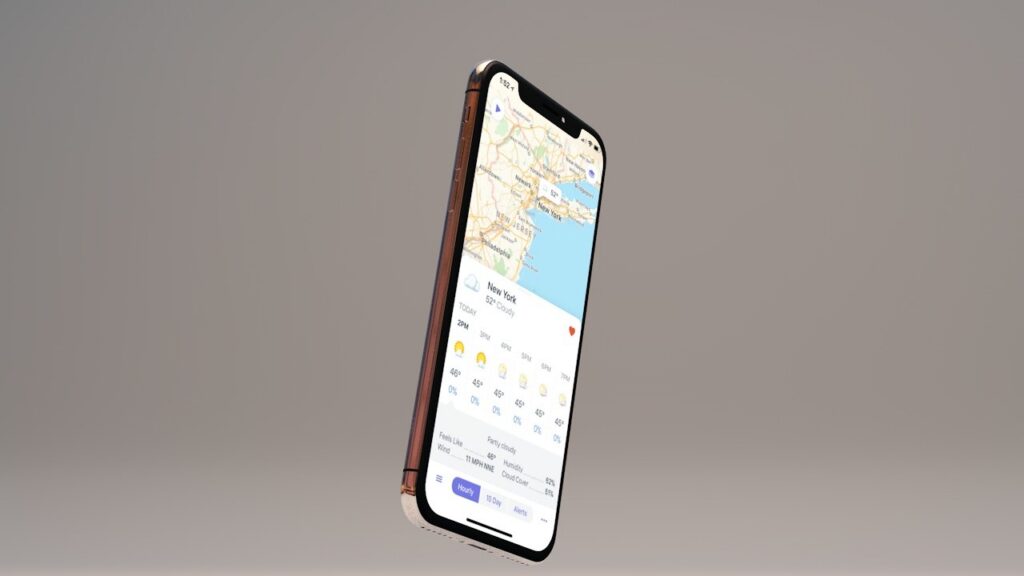
Totem is an idea I had that I wanted to test out. The goal of the totem app is to connect people who go to large crowded events where there is often little to no cellular service, such as music festivals and concerts. Some of these places often have little to no WIFI or cellular service of any kind, and it makes to difficult to find your friends or family if you get separated.
The concept combines a small wearable tracker with a mobile app, allowing users to create private groups and locate one another in real time without relying on traditional cellular infrastructure, using UWB technology.
Each user would purchase a Totem tracker that syncs directly with the app. Once connected, friends can form a group before entering an event. When inside the venue, Totem would use alternative communication technology, such as mesh networking or radio-based signals, to maintain device-to-device connectivity, enabling location sharing even when there’s zero signal.
The app uses Supabase as its backend, handling the database and server side logic through PostgreSQL under the hood. User authentication is managed through OAuth 2.0 with Google, giving users a seamless and secure way to sign in. Data communication between the app and the backend is handled through the Supabase client SDK, keeping everything connected in real time.
This project represents my interest in building solutions that extend beyond the browser and into physical environments, combining thoughtful UX with technical experimentation to solve real social coordination challenges.